


Are you missing out on potential clients because your firm’s online presence isn’t converting visitors into leads? We’ve got the solution to boost your business growth.
In today’s digital landscape, accounting firms need potent tools to stand out and attract new clients. Landing pages are the secret weapon that can transform your online marketing efforts. These focused web pages are designed to address specific needs and encourage visitors to take action.
A focused landing page gives a busy business owner one clear next step: book a call, ask for a quote, or download a checklist. Below is what to put on the page, how to structure it, and examples for tax and bookkeeping services.
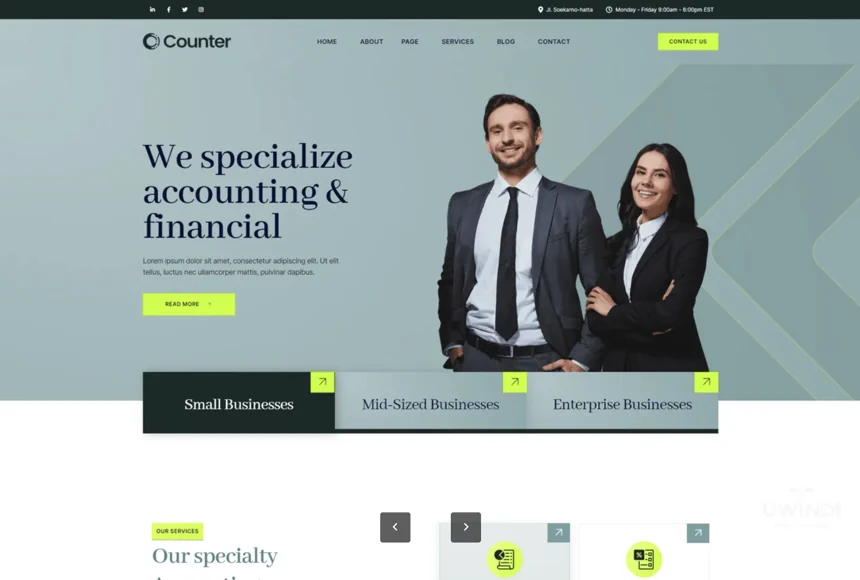
We’ll guide you through the essentials of creating high-converting landing pages tailored for accountants. From compelling headlines to trust-building elements, we’ll cover everything you need to know to get more inquiries and convert them into loyal clients.
Key Takeaways
- Landing pages are crucial for lead generation in accounting firms
- Effective headlines can boost conversion rates significantly
- Mobile optimization is essential for reaching a wider audience
- Clear calls-to-action drive visitor engagement
- A/B testing helps refine landing page performance
- Credentials and reviews near the form build trust
- Fast load times are critical for maintaining visitor interest
Understanding Landing Pages for Accounting Firms
Landing pages are key in a firm’s digital marketing. They are special web pages made to turn visitors into prospects. Let’s explore why they are essential for accounting businesses.
See how we build websites for CPA firms that generate consistent lead flow.
What Is a Landing Page and Its Purpose
A landing page is a web page made just for a marketing campaign. Its main goal is to get visitors to take one action, like signing up for a newsletter or asking for a consultation. For your practice, landing pages are great for getting inquiries and showing off specific services.
Differences Between Landing Pages and Regular Website Pages
Landing pages have a single goal, unlike regular website pages that share many goals. They usually don’t have navigation menus or other distractions. This focused approach helps them turn more visitors into leads.
| Landing Pages | Regular Website Pages |
|---|---|
| Single focus | Multiple purposes |
| Limited navigation | Full navigation menu |
| Targeted content | General information |
| Clear call-to-action | Various links and options |
When to Create an Accounting Landing Page
Create a landing page whenever you pay for traffic or promote one offer. Google Ads, social media posts, and email newsletters should each send clicks to a page about that offer, not to your homepage. A homepage has to serve everyone, so it rarely turns an ad click into a booked call. For example, one page can promote a free tax planning checklist and another a financial health check.

Essential Elements of an Accounting Landing Page
A well-crafted accounting landing page can boost your lead generation. Let’s look at the key parts that make these pages effective.
Compelling Headlines and Subheadings
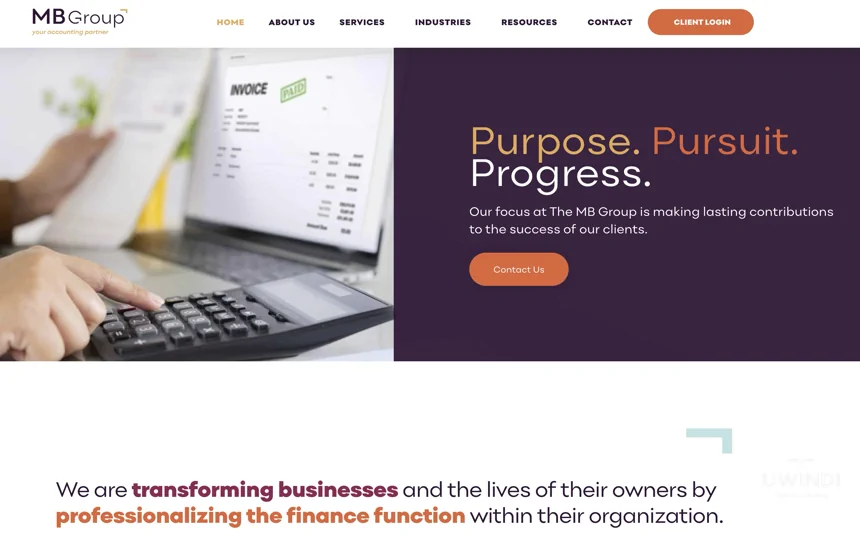
The headline is the first thing a visitor will see, and most visitors scan before they read. On the first screen, they should quickly see who you help, what you do, and what to do next. Put the service and the audience in the headline, one supporting line underneath, and the main call to action right below it. For example: “Expert Tax Solutions for Small Businesses,” then “Fixed-fee returns and answers all year,” then “Book a free consultation.”
Clear Value Proposition
Explain why people should choose your accounting services. Highlight benefits like “Save Time and Money with Our Streamlined Bookkeeping” or “Maximize Your Tax Refunds with Our Expertise.” This shows visitors how you can solve their problems.
Trust-Building Elements and Social Proof
Include client testimonials, case studies, and success stories to build credibility. Show logos of well-known clients or industry certifications. These elements reassure visitors about your expertise and reliability.
Effective Call-to-Action Buttons
Your CTA button should stand out and clearly state the action you want visitors to take. Use action-oriented text like “Schedule a Free Consultation” or “Get Your Free Tax Assessment.” Make sure it’s prominently placed and easy to find.
Remember, your page should be mobile-friendly. It should cater to the billions of smartphone users worldwide. Break up text into easily digestible paragraphs and avoid overwhelming visitors with too much accounting jargon.
Pricing or a Starting Fee
Many firms hide prices and ask people to call. On a landing page, even a starting fee helps. “Monthly bookkeeping from [your fee]” tells a visitor whether the call is worth making, and it filters out people shopping on price alone. If your pricing depends on the client, display what drives it: number of transactions, entities, or employees on payroll.
Landing Page Examples for Accountants and Bookkeepers
Each service needs its own page, because each visitor arrives with a different problem. Here is how to structure three common ones.
Tax preparation. “Small business tax returns, prepared and filed for you.” Offer a short call to review last year’s return. List the documents to bring and your filing deadlines.
Monthly bookkeeping. “Monthly bookkeeping for [industry] businesses.” Show your pricing or a starting fee, the software you work in, and what the monthly report includes.
New business setup. “Starting a company? Set up your books and tax accounts right.” Offer a setup checklist in exchange for an email address, then follow up by phone.
Each example asks for one specific action. That is what makes it a landing page and not a services page.
Designing for Conversion Optimization
Conversion optimization is key to excellent landing page design. We aim to create a smooth path for visitors to take action, and our designs are clean, simple, and easy to follow.
Keep one column, plenty of white space, and one button color used only for the main action. Use photos of your own team and office instead of stock images of calculators. Nothing on the page should distract from the primary goal.
“Design is not just what it looks like and feels like. Design is how it works.” – Steve Jobs
Test one change at a time: the headline, the offer, or the form length. Let each version collect enough real form fills before you pick a winner.
| Design Element | Impact on Conversion |
|---|---|
| Clean Layout | Improves navigation and reduces bounce rate |
| Strategic White Space | Highlights key elements and improves scannability |
| High-Quality Visuals | Increases engagement and brand trust |
| Clear CTA Buttons | Guides users toward desired actions |
Creating Persuasive Content for Accountants
Making content for accounting landing pages requires knowing what clients want and how to talk to them. We tackle their problems, show what we offer, and speak professionally and kindly. This helps us connect with people who might need our services.
Addressing Client Pain Points
Finding and fixing client problems is key to good content. We look into common issues businesses and people have when they need accounting help. By pointing out these problems, we show that we understand and have answers.

Highlighting Benefits Over Features
We focus on what our services do for clients, not just what we offer. This way, people see how our help can improve their business or personal money situation. For example, we don’t just say we do taxes. We explain how we can save them time and money while ensuring they follow the rules.
Using Professional Yet Approachable Language
It’s essential to be both professional and friendly in our content. We use simple, straightforward language to explain tough accounting without using complex terms. This builds trust and makes our services seem more welcoming to more people.
| Content Element | Purpose | Example |
|---|---|---|
| Pain Point Identification | Show understanding of client challenges | “Struggling with complex tax regulations?” |
| Benefit-Focused Statements | “Save time and reduce stress with our expert tax preparation.” | “We translate financial jargon into plain English.” |
| Approachable Language | Build trust and accessibility | “We translate financial jargon into plain English” |
Using these elements in our content, we tell a story that meets client needs, shows our skills, and gets people to act.
Lead Capture Strategies That Work
Getting leads is key to growing your practice. Here is how to get more of them from each page.
Form Design Best Practices
Ask only for what you need to call the person back: name, email address, phone number, and one question about the service they need. If you need more, split the form into two short steps. Send every submission to your CRM and route it to the person who will make the call.
Incentive Offerings
The offer should match how people buy accounting services. A free 15-minute consultation, a year-end tax checklist, or a quote for a bookkeeping cleanup fits better than a discount. A short webinar can work too: a session on quarterly estimated taxes lets prospects see how you explain things before they contact you.
Follow-up Sequences
Following up with leads is essential for keeping them interested. Email sequences can offer personalized help. Create thank-you pages and targeted emails to keep people engaged.
Track each lead from the first form to the signed engagement letter, so you know which page brings clients.
Using these strategies can bring in more inquiries. Always keep testing and tweaking your methods for the best results.

Mobile Optimization and Technical Considerations
In today’s digital world, making your pages mobile-friendly is vital. Many people look up a firm on their phone, so test every page on one. Responsive design makes sure your site works well on all devices.
Page speed is also essential. Fast pages make users happy and help your site rank better. To speed up your site, optimize images and cut down on code. Remember, people often reach out to the firms they find online.
Technical SEO is essential for being seen more. Work on meta tags, image alt text, and URL structure. Using keywords like “accounting services [city]” in your Google Business Profile boosts local search.
Test your pages on different browsers and devices. Use analytics to see how your site performs and what users do. This helps you keep improving and stay competitive online.
By focusing on these technical details, you’re making your website better. You’re also investing in a powerful marketing tool that can bring actual results for your accounting business.
Conclusion
A good accounting landing page does a few things well. It names one service and one audience, shows a price or a starting fee, proves you are qualified, and asks for one action. Everything else is optional.
Start with the service that matters most to your firm, build one page for it, and measure booked calls before you build the next. If you want it built for you, see how we build websites for CPA firms and what a landing page costs.
Need help building your firm’s online presence? Check our Lost Website Profit Calculator to see what your current site is costing you.
FAQ
Q: What is a landing page for accounting firms?
A: A landing page is a unique web page for accounting firms. It solves a specific problem and gets visitors to do one thing. It’s key to generating more leads and growing your accounting business.
Q: How do landing pages differ from regular website pages?
A: Landing pages are different from regular website pages. They focus on getting visitors to download something or sign up for a service. Regular pages share general info, not a specific goal.
Q: What are the essential elements of an effective accounting landing page?
A: Key elements include a catchy headline and clear service benefits. You also need trust-building elements like testimonials. A clear call-to-action (CTA) and visuals that match your brand are also important.
Q: What is a CPA landing page?
A: It depends on who is asking. For an accounting firm, a CPA landing page is a single page that promotes one service, such as tax preparation or bookkeeping, and asks visitors to book a call. In affiliate marketing, “CPA” means cost per action, and a CPA landing page is an offer page paid per sign-up. This article covers the first kind.
Q: How many landing pages does an accounting firm need?
A: One per service you advertise, plus one per major offer. A firm that runs ads for tax returns and for monthly bookkeeping needs two pages, because the two audiences ask different questions. Start with the service that brings the most revenue per client, measure booked calls for a few weeks, and add the next page once the first one works.
Q: How can an accounting firm get more leads from its website?
A: Start with the pages that already get traffic. Give each service its own page with one offer, a short form, and a phone number. Send paid clicks to those pages. Put reviews and credentials near the form. Then call back within one business day, because people often contact more than one firm. For a firm-wide plan, see how we work with CPA firms.
Q: Why is mobile optimization important for accounting landing pages?
A: Mobile optimization is key because more people use phones and tablets. Use responsive design and ensure fast loading times. Test your pages on different devices to ensure they work well everywhere.
Q: How can I improve my landing page’s performance over time?
A: Use analytics to track performance. Test different elements like headlines and CTAs. Ensure your pages match your marketing strategy and brand for better results.
