Custom web application development — without the horror stories
Custom web applications for B2B companies and startups, by a team based in the Austin area. From concept and architecture to launch and support: a specification first, milestones you approve, and you own everything.
four clients tripled conversion, ad return or revenue
projects since 2015
on Clutch in Austin: conversion optimization, landing pages
What most web app projects get wrong
Months of work, thousands spent, and unfinished code nobody else can pick up. Starting over costs more than doing it right.
Without an architecture and a specification upfront, every new feature becomes a negotiation: timelines slip, budgets explode.
The app works for 10 users and breaks at 100. Switching technologies mid-product means rebuilding from scratch.
The original developer disappeared, the code is undocumented, and every small change waits for someone new to learn the codebase.
Most web app projects fail before they launch
Most agencies take the money, disappear into code and resurface months later with something that does not match the brief. We have built web apps since 2015: marketplaces, SaaS tools, internal automation, storage apps.
- 1A clear technical specification: business logic, user roles, integrations, edge cases
- 2An architecture built for scale
- 3Milestones you approve before we move on; you own everything at the end
That’s why our clients don’t just get an app. They get a product that works, scales and any competent developer can maintain.
What you get with web app development
A scalable, documented web application that any competent developer can maintain, not a black box that only one person understands. Your product is an asset, not a liability.
Specs & architecture
Before any design or code, we document your full business logic, user roles, integrations and edge cases. No surprises mid-project.
UI/UX design
Every screen designed around the user’s journey: clean, intuitive interfaces that reduce friction and increase adoption.
Frontend & backend development
Laravel, React or full-stack, built to your requirements. Clean, documented code your team can maintain and extend.
Integrations & APIs
Stripe, CRM, ERP, WMS and third-party APIs: we connect the app to the systems your business already runs on.
QA testing & launch
Cross-browser, cross-device, performance and security testing before every release; we deploy, configure and hand over with a full walkthrough.
Ongoing support & development
One free month of support after launch. Then we can take over maintenance, new features and optimization as the product grows.
Our projects
150+ projects since 2015. Below, a Laravel app selected for the Top 20 at Startupbootcamp Singapore, a marketplace we built and host, and sites where a web app came later.
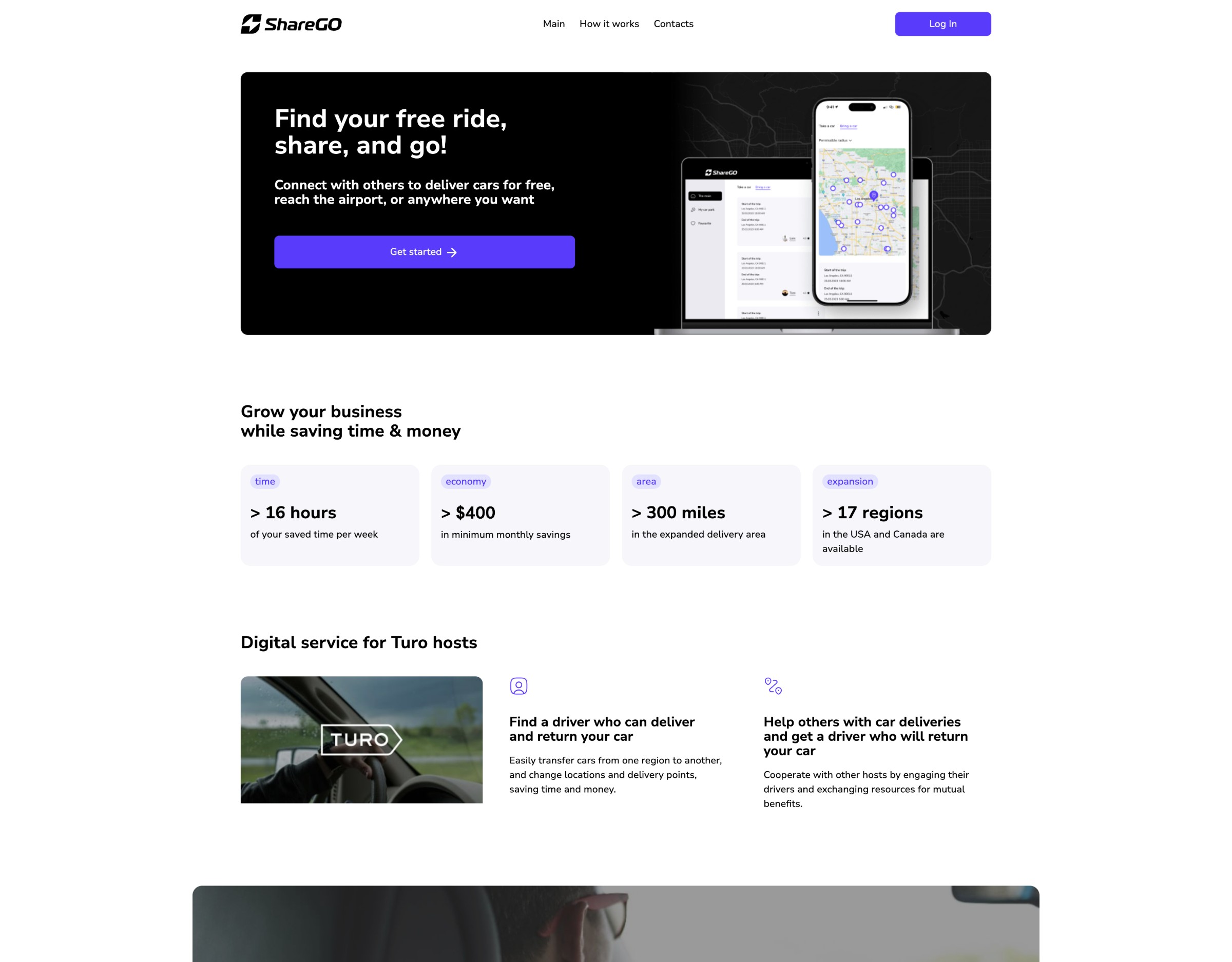
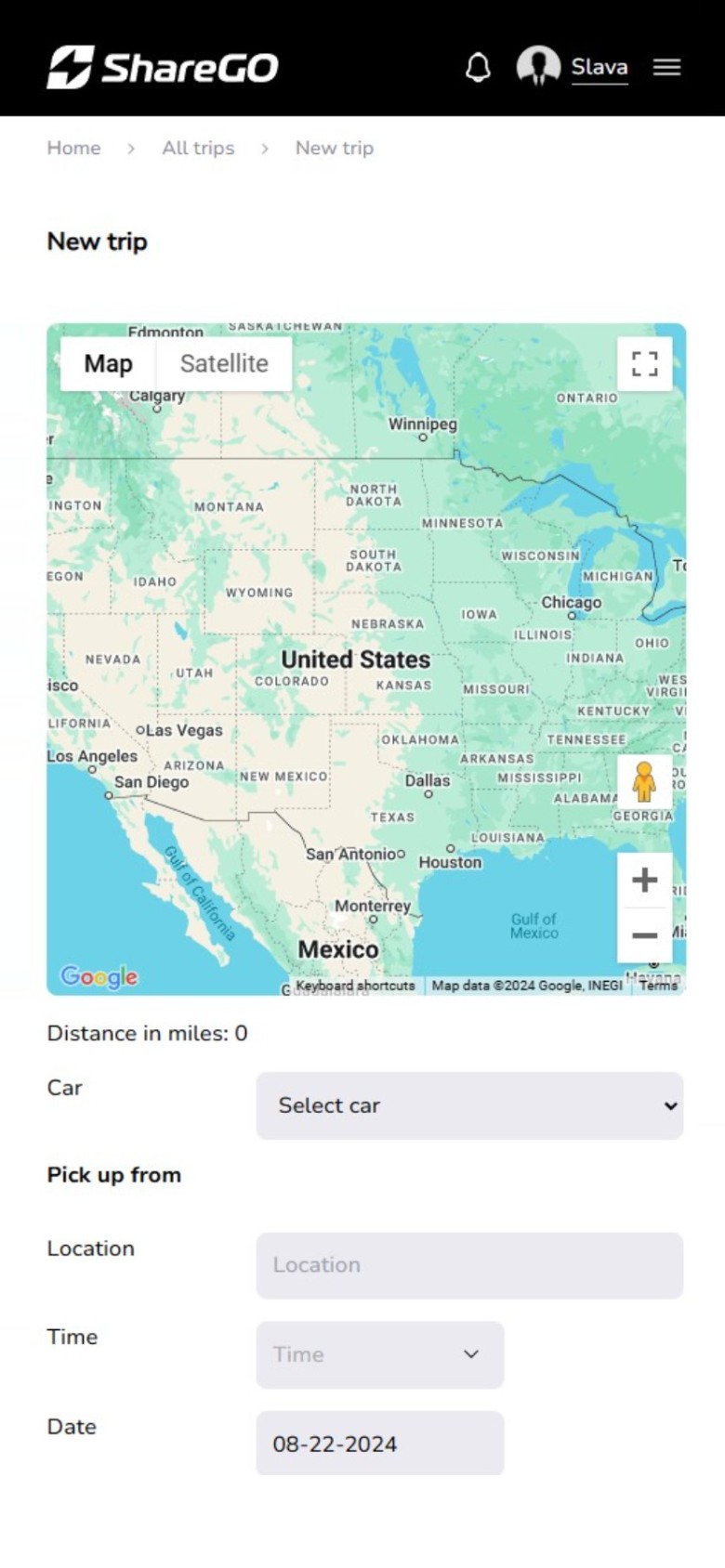
A Turo fleet service’s brand, web app and investor page: Top 20 at Startupbootcamp
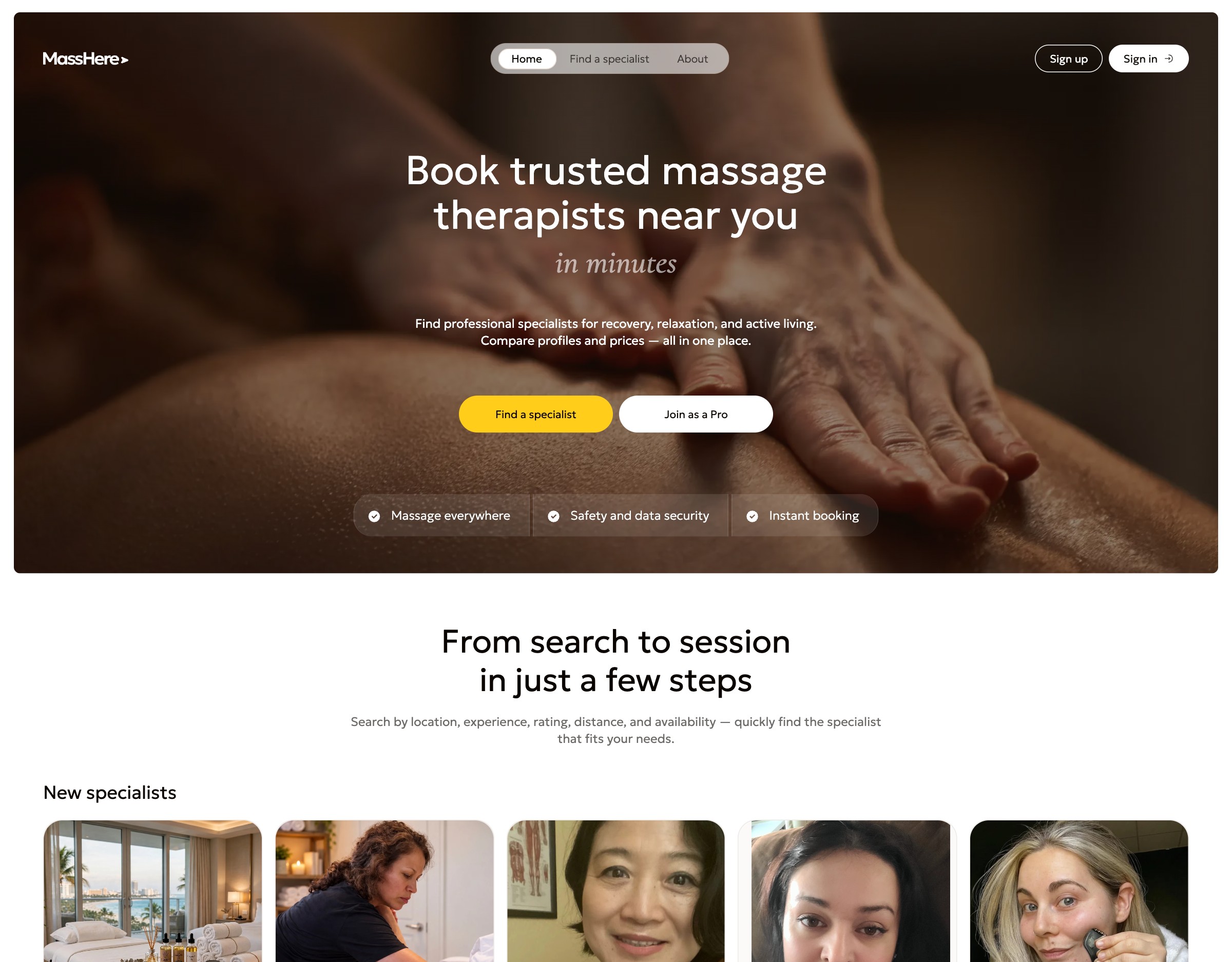

A massage therapist marketplace: web app with Stripe subscriptions and search by location
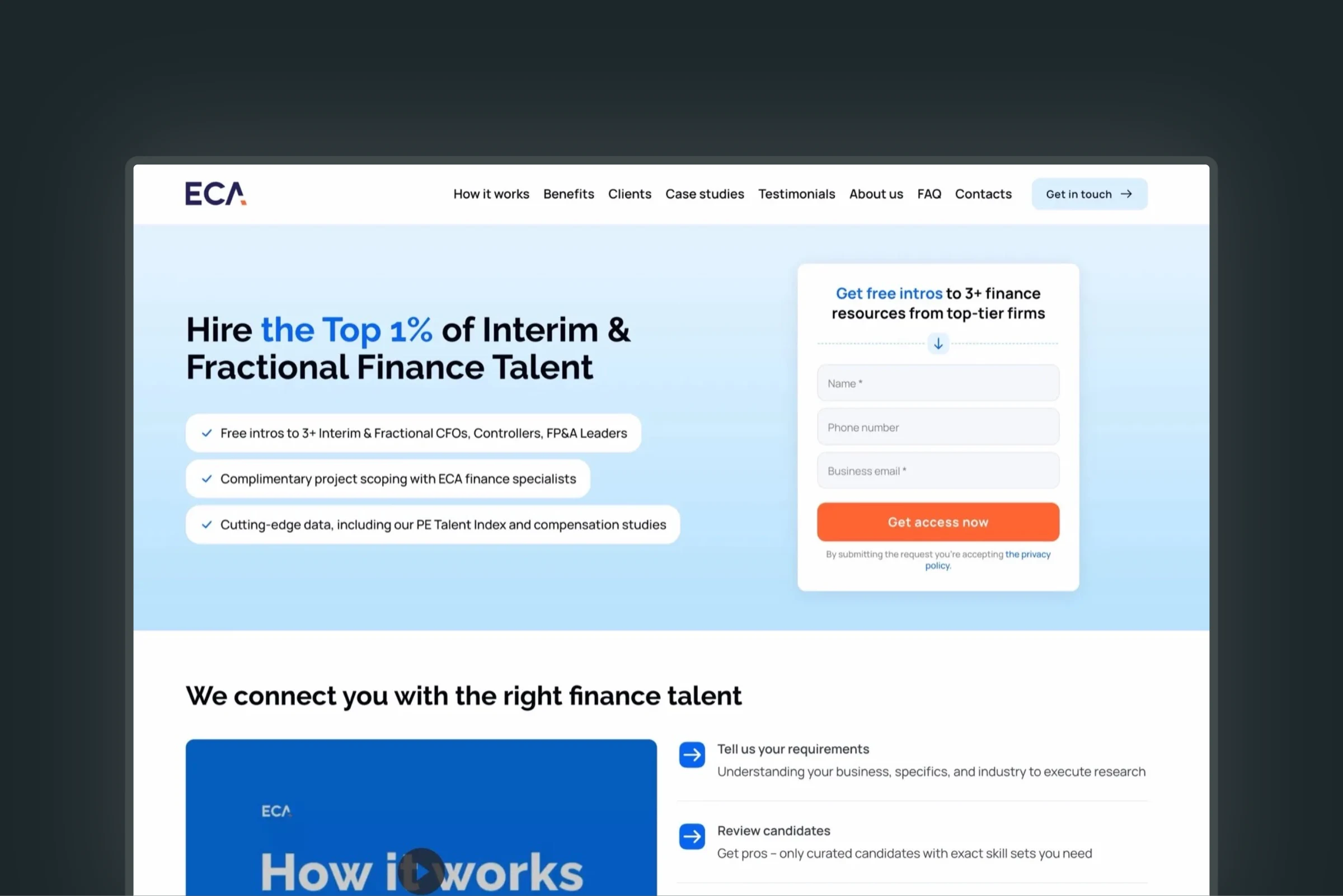
A slow, glitchy site fixed, a brand refresh and landing pages at 100/100 PageSpeed
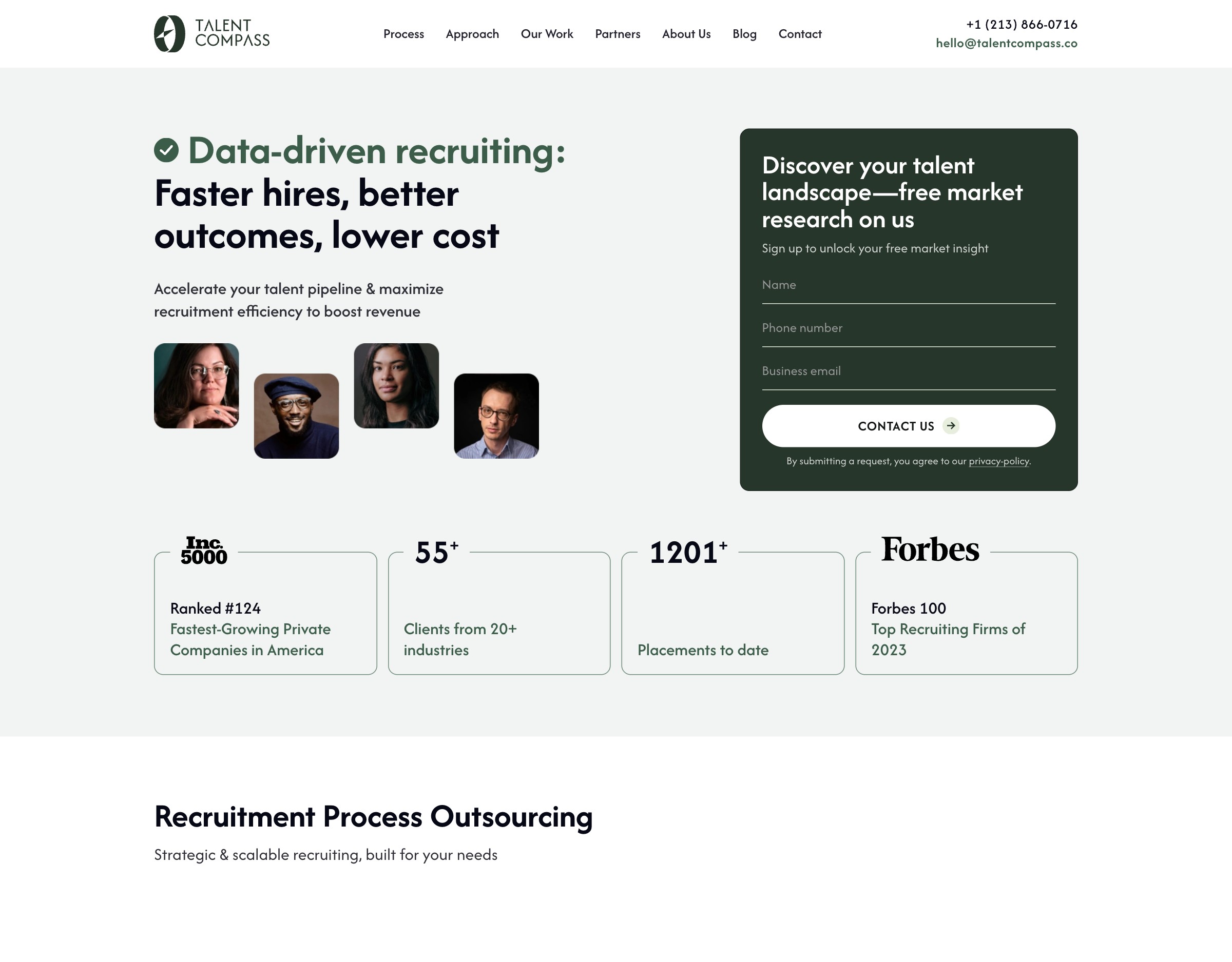
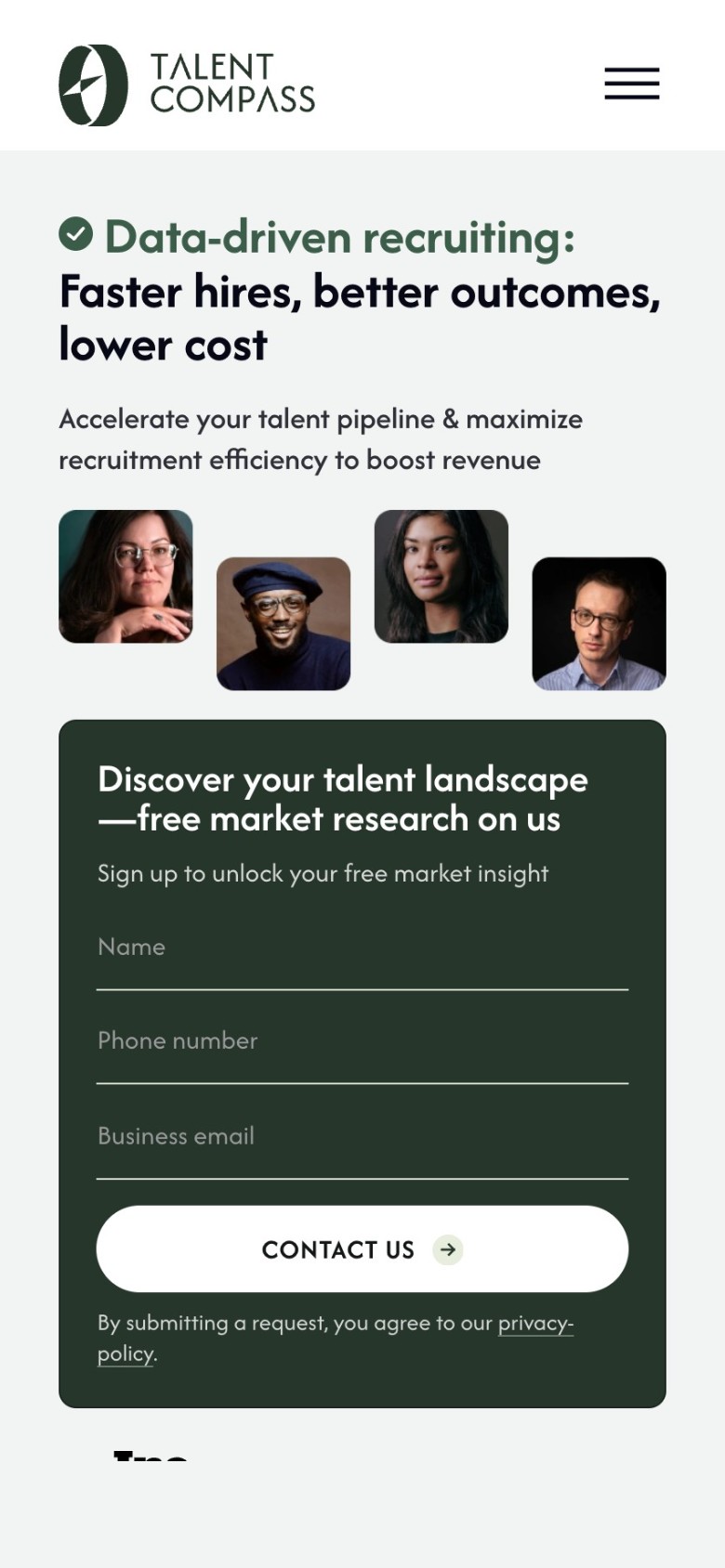
No brand and no site for ads: a rebrand and a one-page site their campaigns now run on
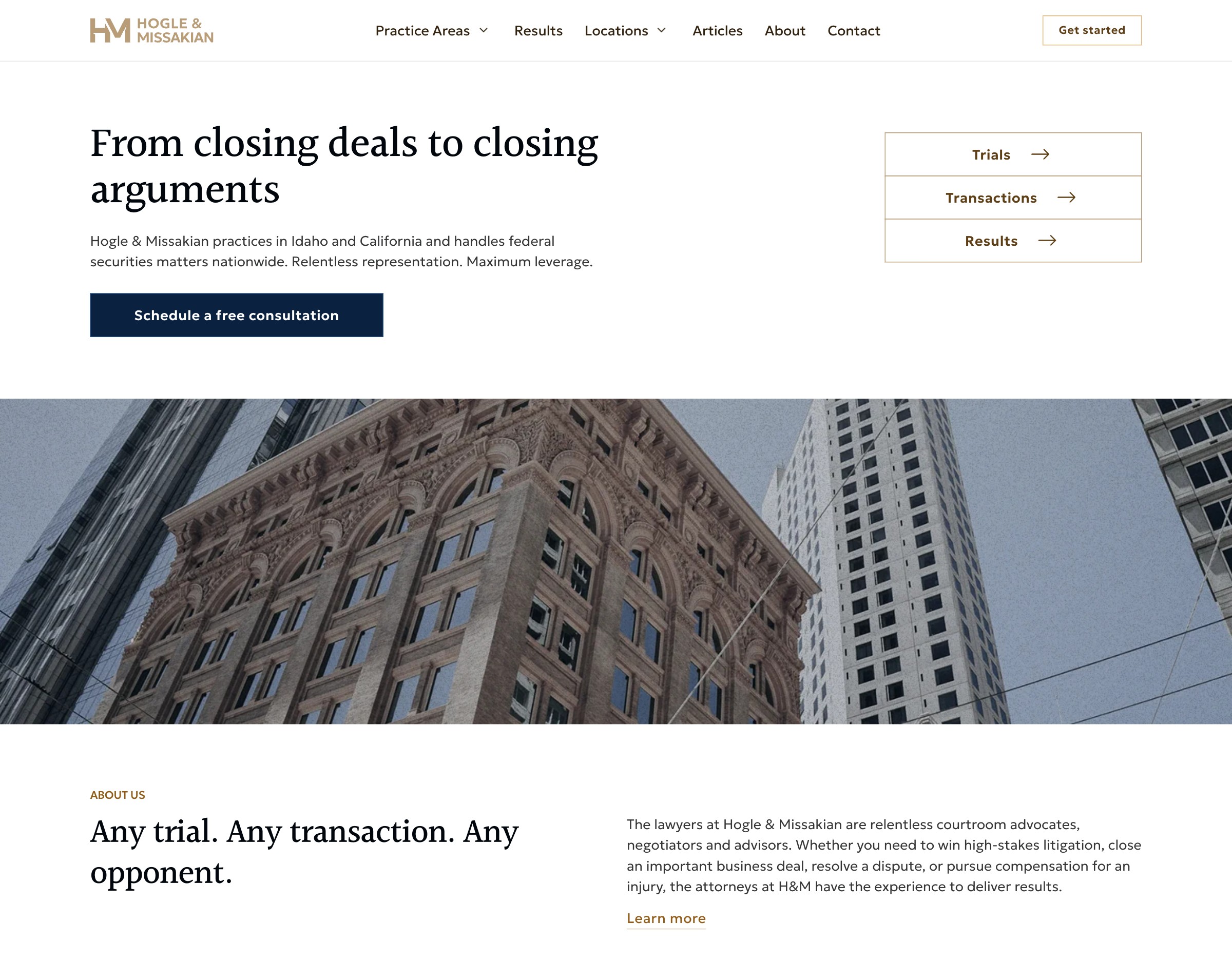
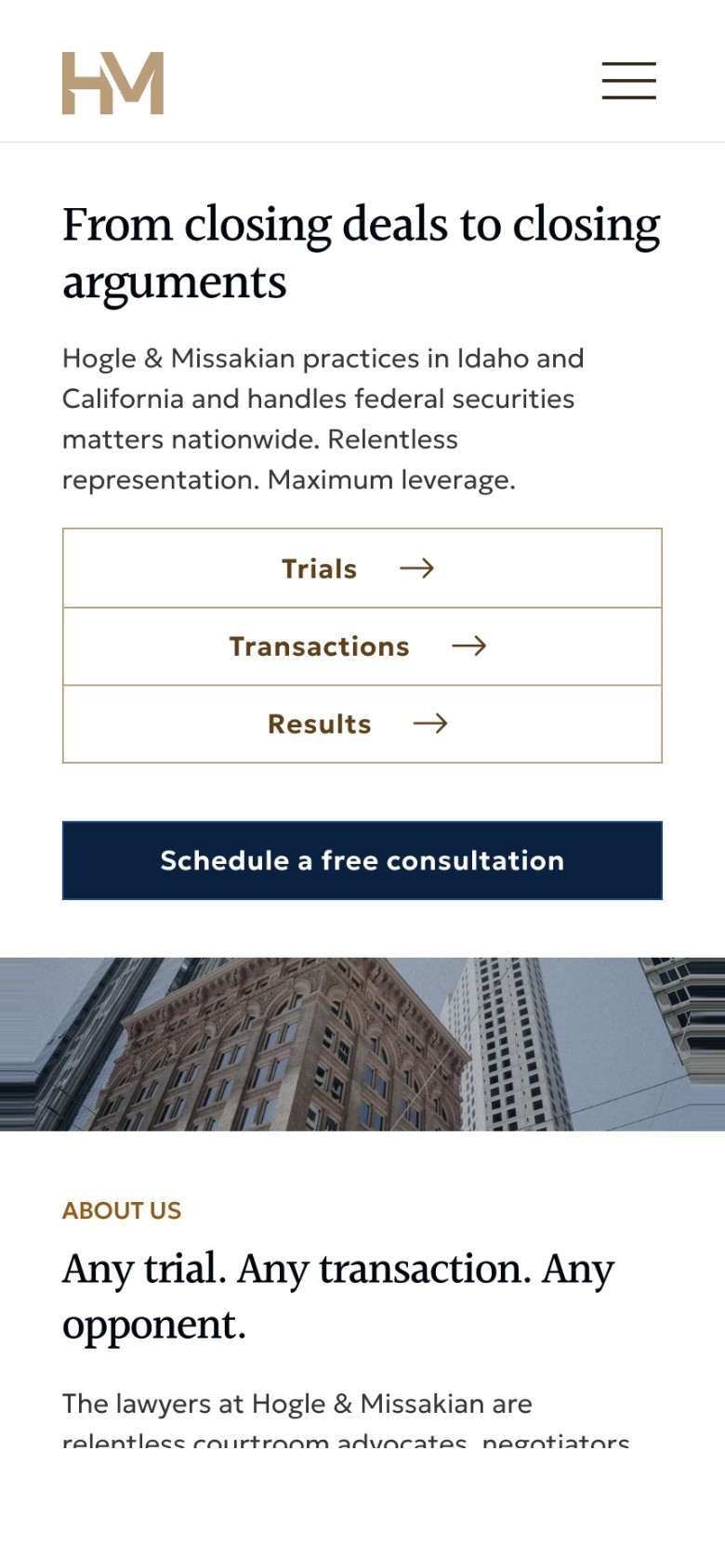
A law firm's brand and an SEO-structured site it grows itself, no developer needed
How to choose a web application developer
Ask four things, of us or of anyone else:
Is there a technical specification before the quote?
Yes: every project starts with one, and the price is fixed in writing on it before any payment.
Who owns the code when the project is done?
You do: all source code, the database and server access are handed over at completion. No lock-in, no licensing fees to us.
Can they show products that are live and still maintained?
MassHere runs on our hosting; AdCall, our own analytics platform, has been live for years and is used by agencies independently of us.
What happens after launch, and what does it cost?
One free month of support, then a maintenance plan; new features are scoped and billed separately, never started without your word.
We begin with a code audit. If the codebase is salvageable we continue; if it is not, we tell you honestly rather than spend your budget on unfixable code.
Web application development process
A web application takes 10–14 weeks from kickoff, depending on the screens and integrations. Stop after any milestone and the work you paid for is yours.
We map the users, their tasks and the data, and agree what the first version must do.
A written scope: screens, roles, integrations and a fixed price for the first version.
We design the key screens and the flows between them, then the rest on one design system.
Screens you approve before we build.
We build in milestones (accounts, core features, integrations and payments), each shown to you working.
A working app at every milestone, tested on desktop and mobile.
We launch, move your existing data if there is any, and walk your team through it.
The app, the code and every account in your company’s name.
We support the app for a month at no charge and fix build defects for a year. After that, hosting and care run on the Custom Plan, from $500/month.
The team that wrote the code keeps it running.
The price is fixed in writing before you pay anything.
Stop after any stage and keep the work you paid for.
Web application cost
Every project is scoped individually. The figures below are starting points; the final price is fixed in writing on the technical specification, before any payment.
Simple web application
A focused product that solves one core problem: user management, data automation or a single workflow.
- Technical specification; UI/UX design up to 10 screens
- Authentication and 2 user roles; a basic admin panel
- Core feature development; 1 basic integration
- Mobile-responsive; QA testing and launch
Business platform
A full-featured platform with payments, user accounts, an admin panel and third-party integrations.
- Technical specification; UI/UX design up to 25 screens
- 3–4 user roles; advanced search and filters
- Stripe payments; email notifications and webhooks
- Admin panel and moderation; up to 3 API integrations
Complex platform / SaaS
A marketplace, SaaS product or enterprise system with custom architecture and multiple user roles.
- Technical specification; UI/UX design, 40+ screens
- Multiple roles and workflows; subscription and billing
- CRM, ERP and WMS integrations; custom API development
- Advanced admin and analytics; performance and security
a technical specification · UI/UX design · QA testing and launch · code documentation and handover · one free month of support.
By project stage: 40% discovery and design, 40% development, 20% launch.
You keep the work you paid for, on every plan.
One month of free technical support; then a maintenance plan, with new features scoped separately.
All source code, the database and server access are yours at completion.

Tells it like it is, doesn’t allow you to waste any time going down the wrong road.

Uwindi’s team is quick to respond via BaseCamp and phone for urgent matters.

Small tweaks he recommended that would make a large difference.

The site looks like us, not like a template.
Right after launch we started getting real booking requests from homeowners and property managers.
 Michael BrockFounder & CEO, Pristika
Based on our very positive experience, we will definitely expand the areas of our cooperation.
 Jojo DeaMarketing Manager, Motic
You ask,
we answer
- How long does it take to build a web application?
Simple apps take 8–12 weeks, business platforms 12–16 weeks, and complex SaaS or marketplace products 16 weeks and more. Timelines start after the technical specification is approved; the dates on our side are kept, and a launch moves only when approvals on your side take longer.
- How much does a web application cost?
Simple web applications start at $10,000–15,000. Business platforms with payments and integrations run $15,000–25,000. Complex SaaS or enterprise systems start at $25,000+. Final cost is always based on a detailed technical specification.
- What is a technical specification (TOR) and why do you need one?
A TOR documents every screen, user role, business logic, integration, and edge case before development starts. It prevents scope creep, budget overruns, and the “that’s not what I asked for” problem. Every Uwindi project starts with one.
- What technology stack do you use?
We primarily build on Laravel for backend and React for frontend. For simpler projects we use October CMS. The stack is chosen based on your project’s requirements, scalability needs, and long-term maintainability.
- Can you integrate with our existing systems?
Yes — CRM, ERP, WMS, payment systems (Stripe, PayPal), email platforms, and third-party APIs. Integration complexity affects timeline and cost and is scoped in the TOR.
- Who owns the code after the project is done?
You do. All source code, database, and server access is handed over at project completion. No lock-in, no ongoing licensing fees to us.
- Can I request changes during development?
Minor adjustments within the agreed scope — yes. Changes that affect architecture or add new features are scoped separately and billed at our hourly rate. We always notify you before starting any out-of-scope work.
- What happens after launch?
You get 1 month of free technical support. After that we offer ongoing maintenance plans starting at $500/month — bug fixes, performance optimization and security updates; new feature development is scoped and billed separately.
- Can you take over a project started by another developer?
Yes, but we always start with a code audit. If the existing codebase is salvageable we can continue. If it’s not — we’ll tell you honestly rather than waste your time and budget trying to fix unfixable code.